
New Cooling Towers

Innovative leader in custom design - ensuring your cooling tower is optimized for performance, reliability, and constructability from day one.

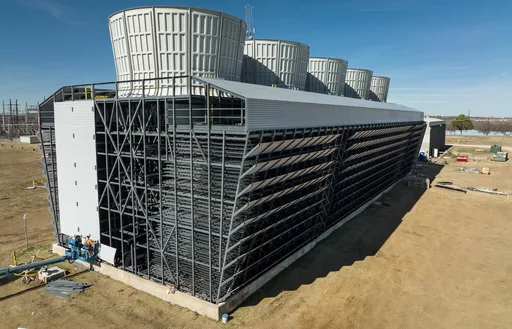
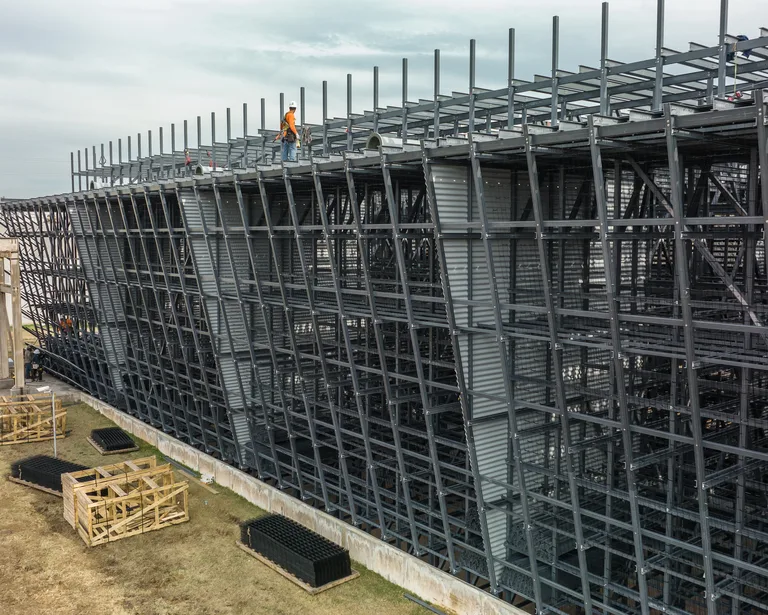
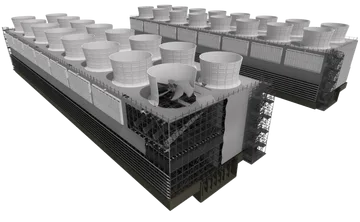
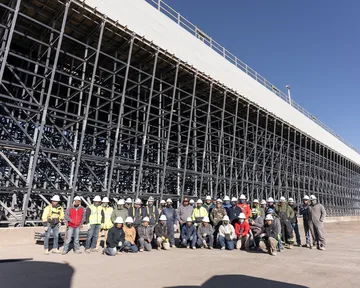
The fiberglass structural frame of a field-erected cooling tower, with a worker on the top deck

Built to Last. Built in Fiberglass.

Wood rots. Steel corrodes. Cooling Tower Depot's FRP structures resist both — for decades of reliable performance.

Your Partner in Cooling

Why Leading Industries Choose Cooling Tower Depot

We don't just build cooling towers; we engineer long-term operational reliability. Here is why facilities worldwide trust us to power their critical infrastructure.

The True "Depot" Advantage

Selecting the right cooling tower starts with getting the design right the first time. At Cooling Tower Depot, we've built the tools and processes to do exactly that. Our proprietary automated design system accurately sizes each cooling tower for your specific application while simultaneously generating engineering drawings and civil load calculations.
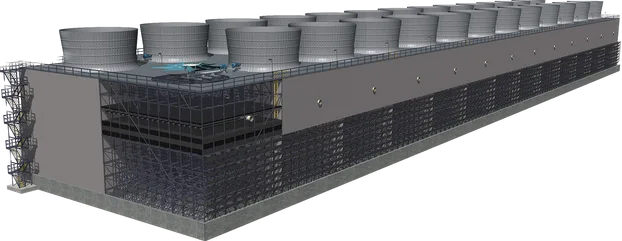
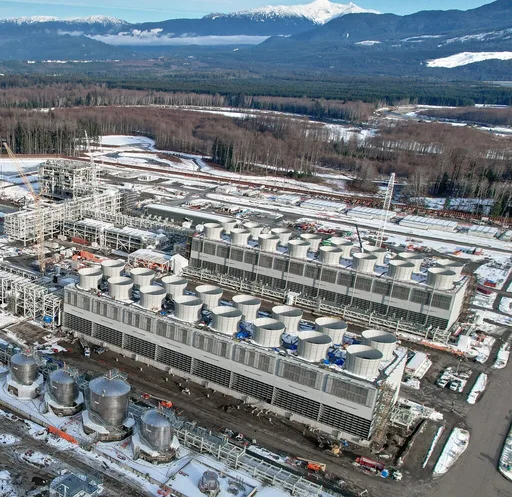
A rendering of a long, multi-cell field-erected cooling tower with its fan stacks along the roof

Field-Proven Engineering & Materials

Our towers are built to outlast the competition in the harshest environments. From high-grade, corrosion-resistant Fiber-Reinforced Polymer (FRP) structures to heavy-duty mechanical components, every choice we make is focused on maximizing equipment lifespan and reducing structural maintenance.
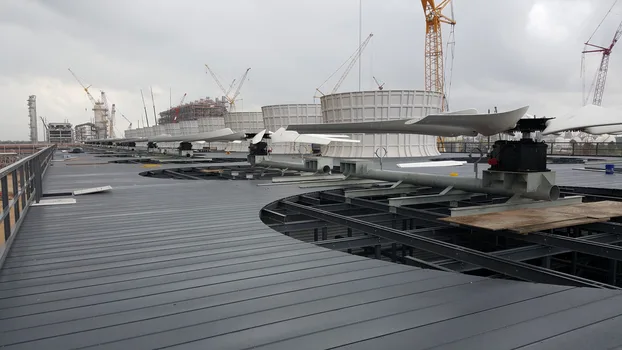
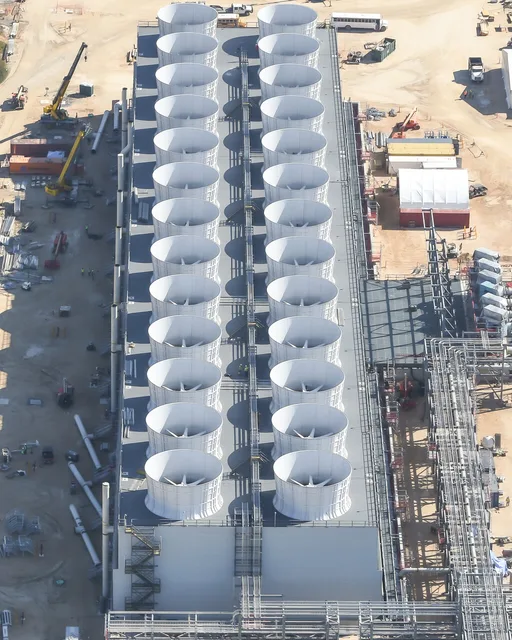
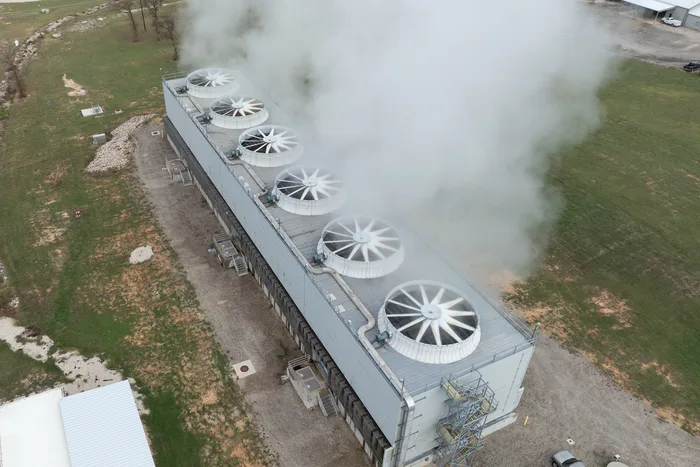
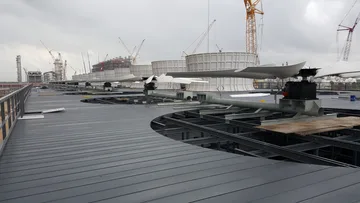
Fan stacks and the fiberglass roof deck of a cooling tower under construction at an industrial plant

Optimized Thermal Performance

Every tower is customized to your exact geographic climate and thermodynamic load requirements. We don't believe in "one size fits all"—our precise engineering ensures you achieve maximum heat rejection with the lowest possible fan horsepower and energy consumption.
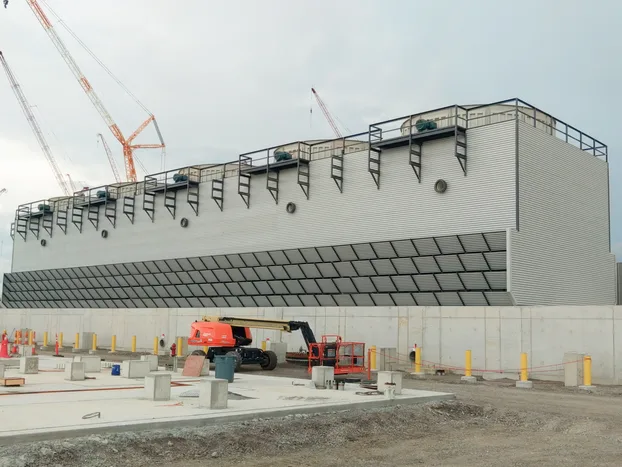
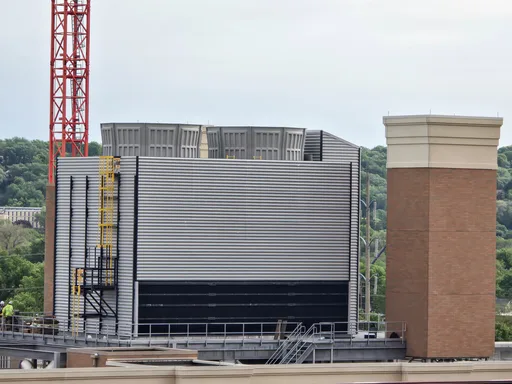
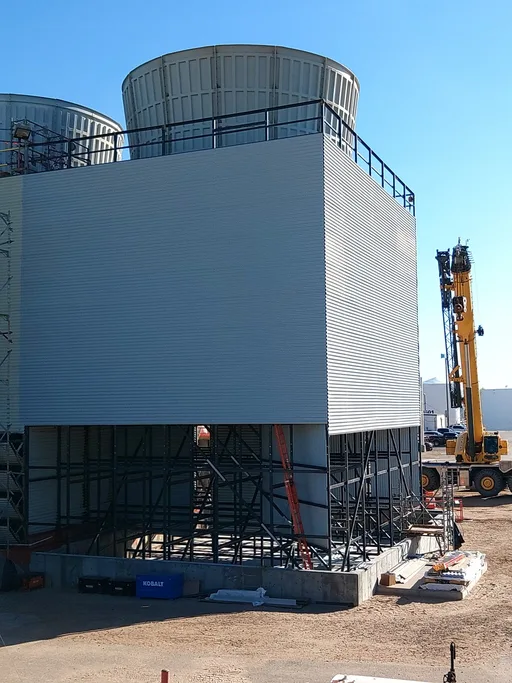
A finished cooling tower at a semiconductor plant in Ohio, with construction cranes behind it

Unmatched Lifecycle Support

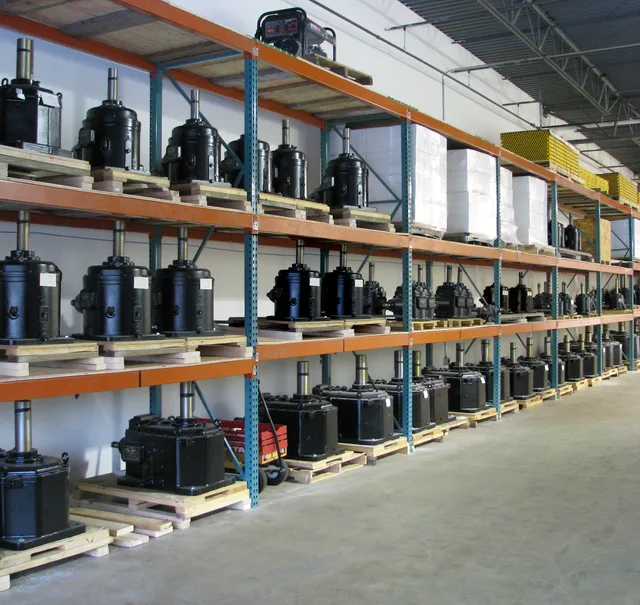
A tower is only as reliable as its components. As a premier parts depot, we stock a massive, rapid-ship inventory of high-quality fill, drift eliminators, mechanicals, FRP, nozzles, and more. We make it fast, simple, and cost-effective to keep your system running at peak performance for decades to come.
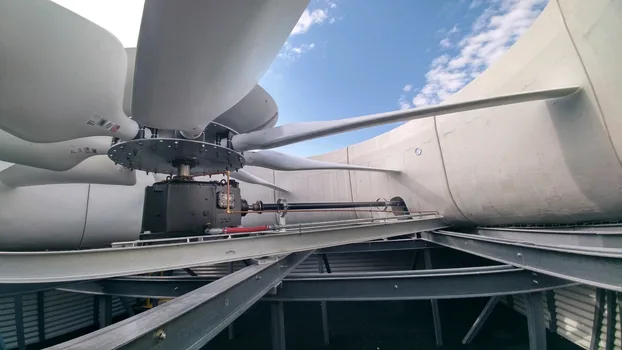
A cooling tower fan, gearbox and drive shaft seen from inside the fan stack
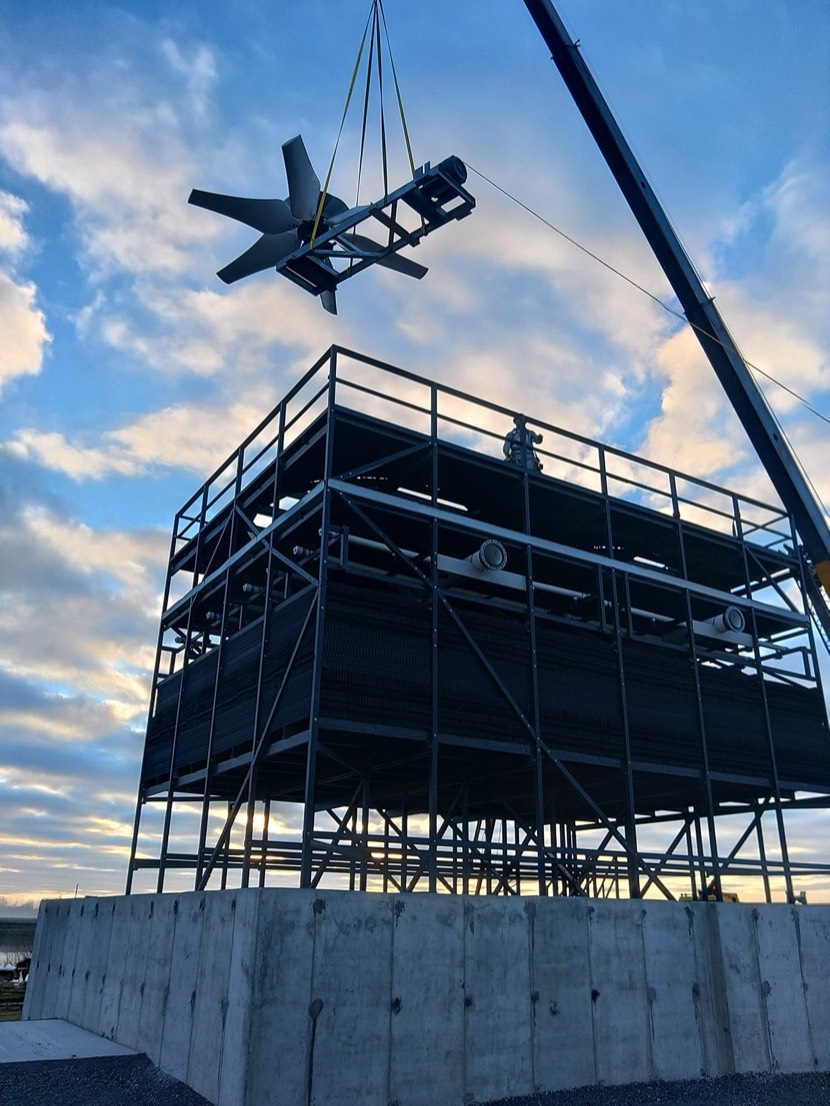
A cooling tower frame as a crane lifts its fan assembly into place

Cooling Tower Depot has become an indispensable part of our engineering strategy. Their team understands the operational demands of industrial cooling systems in a way most suppliers simply don't.

EPC in Texas

Project Engineer

Ready to get started?

Contact us to start your build.

Whether you need a 500,000+ GPM field-erected tower or thermal upgrades on an existing tower, our engineering team is ready to design your ideal thermal solution. Tell us your project specs, and let's build a system that guarantees long-term reliability.

This site is protected by reCAPTCHA and the Google Privacy Policy and Terms of Service apply.

Frequently Asked Questions

What is a field-erected cooling tower?

A field-erected cooling tower is a large industrial cooling tower that is engineered, manufactured, and assembled at the project site rather than delivered as a fully assembled unit from a factory. Field-erected towers are typically used for large industrial applications requiring high cooling capacity, where factory-assembled or packaged towers may not be practical. Field-erected cooling towers can be custom designed for virtually any application, with the tower size, number of cells, fill type, construction materials, water distribution system, and mechanical equipment selected to meet the project's specific requirements.

What is the difference between crossflow and counterflow cooling towers?

The primary difference between crossflow and counterflow cooling towers is the direction that air and water move through the tower. In a crossflow tower, air moves horizontally across the falling water, while in a counterflow tower, air moves vertically upward against the downward flow of water. When selecting between crossflow and counterflow, CTD considers factors including water quality, required capacity, footprint, energy consumption, maintenance requirements, climate, operating conditions, and project cost to determine the best design for the application. Cooling Tower Depot specializes in both configurations.

What is an FM Approved Cooling Tower?

An FM Approved 4930 cooling tower has been tested and certified by FM Approvals, an independent testing and certification organization, to meet specific requirements for fire resistance, natural hazards testing, seismic analysis, and loss prevention. FM Approval is particularly important in industrial and commercial facilities where fire or natural disaster risk is a major concern, such as power plants, chemical plants, hospitals, universities, manufacturing facilities, and large commercial buildings. Additionally, operations looking to avoid the added cost and complexity of dedicated fire protection systems, FM approved towers offer a proven alternative.

How much does a new industrial cooling tower cost?

The cost of a new industrial cooling tower can vary significantly depending on the requirements of the application. CTD has created the industry’s only online Design & Price Tool. This is a true optimization program, where you can design a new cooling tower based on a set of conditions and receive a budgetary proposal, data sheets, and a general arrangement drawing, all online!

Should I choose an FRP, wood, or concrete cooling tower?

FRP (fiberglass-reinforced plastic) is an excellent choice when corrosion resistance, long service life, and reduced maintenance are priorities. FRP does not rot or rust and is well suited for harsh industrial environments and aggressive water conditions. Properly designed FRP components can provide 35–40 years or more of service life, depending on the application. Historically, wooden/concrete towers were used for most industrial cooling towers, and still are relevant today.

Get in touch

Contact us for sales, service, parts, emergency services, etc.