
Counterflow Cooling Towers
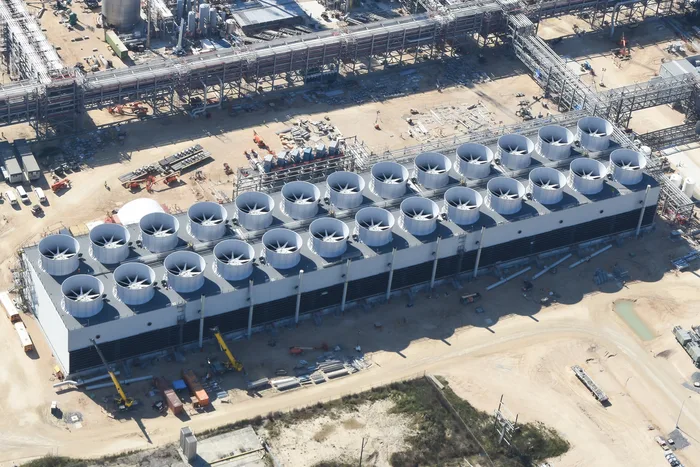
CFF-Series Counterflow Tower
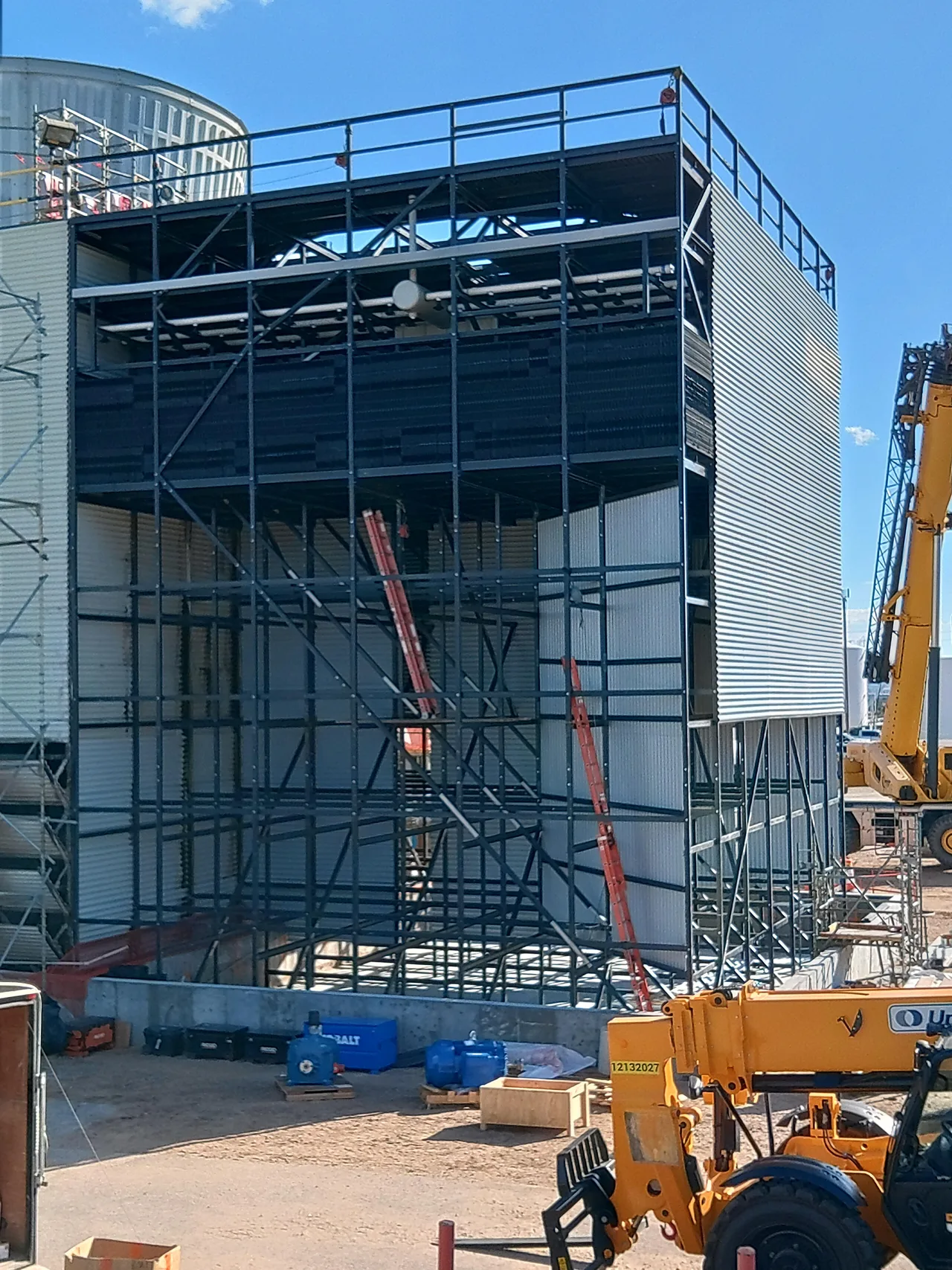
Pultruded FRP structure with film fill — corrosion-proof, rot-free, and built for decades of industrial duty.
↑ vs ↓
air vs water
Best in class
Thermal performance
Low
drift loss
Custom
Fill selection
Why the
CFF-Series
Engineered FRP structure
Corrosion-proof, fire-retardant structure with a 30+ year service life. No rot, no rust.
Counterflow distribution
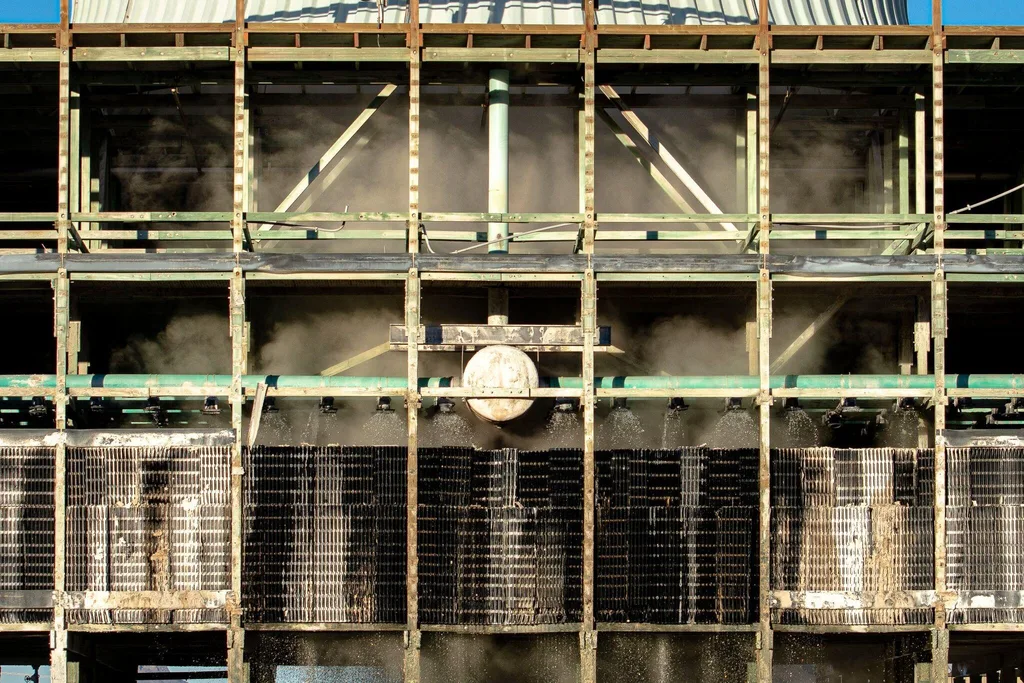
Pressurized spray system in an enclosed plenum. Freeze-resistant and low-drift.
Film fill media
High thermal efficiency with fouling-resistant flute geometry.
CTI-certified thermal
Performance at your design wet-bulb
Already own a CFF-Series?
Parts and field service for this model, OEM or not.
Frequently Asked Questions
Why choose an FRP cooling tower over a traditional wood cooling tower?
FRP (fiberglass-reinforced plastic) cooling towers offer significant advantages in durability, corrosion resistance, maintenance, and service life. Unlike wood, FRP does not rot, decay, or absorb water. It is also highly resistant to many chemicals and harsh industrial environments. For facilities looking for a long-term cooling solution with reduced maintenance requirements, FRP construction can provide a lower total cost of ownership over the life of the tower.
How long does an FRP cooling tower last?
A properly designed and maintained FRP cooling tower can provide 30–40 years or more of service life, depending on operating conditions, water chemistry, environmental exposure, and maintenance. Compared with traditional wood cooling towers, which typically have an expected service life of approximately 20–25 years, FRP can provide substantially greater longevity.
Does an FRP cooling tower require less maintenance?
Generally, yes. FRP eliminates many of the maintenance concerns associated with traditional wood construction. FRP structural components do not deteriorate through rot or decay. This can reduce ongoing maintenance requirements and help extend the useful life of the cooling tower. Routine inspections and preventive maintenance are still important for fans, gearboxes, fill, drift eliminators, nozzles, fasteners, and other mechanical components.
Is an FRP cooling tower stronger than a wood cooling tower?
Yes. FRP provides a high strength-to-weight ratio and can be engineered to meet the structural requirements of large industrial cooling towers. The structural design of an FRP tower is based on the specific project requirements, including wind loads, seismic conditions, equipment loads, operating environment, and tower design.
Can an existing wood cooling tower be replaced with an FRP tower?
Yes. Existing wood cooling towers can be completely replaced or upgraded with FRP construction. Depending on the existing tower configuration, the replacement can be engineered to utilize existing basins, piping, electrical systems, and other infrastructure where practical. Projects can also be phased to minimize downtime and maintain plant operation during construction.