
Counterflow Cooling Towers
Performance-driven design — smaller footprint, higher thermal efficiency, icing resistance, better suited for high heat loads, field-erected
↑ vs ↓
air vs water
Smaller
footprint
Low
drift loss
Better
freeze resistance
How a counterflow tower works
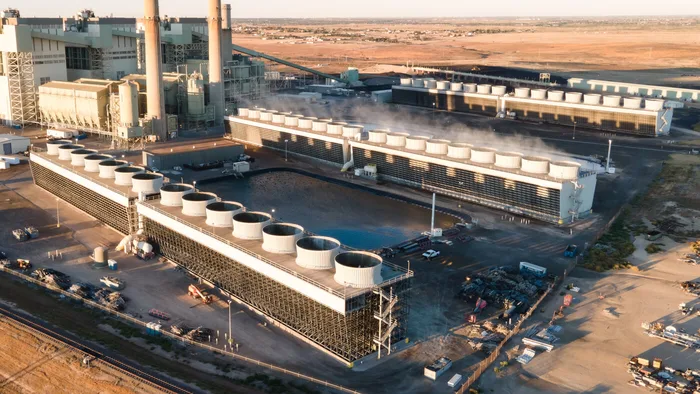
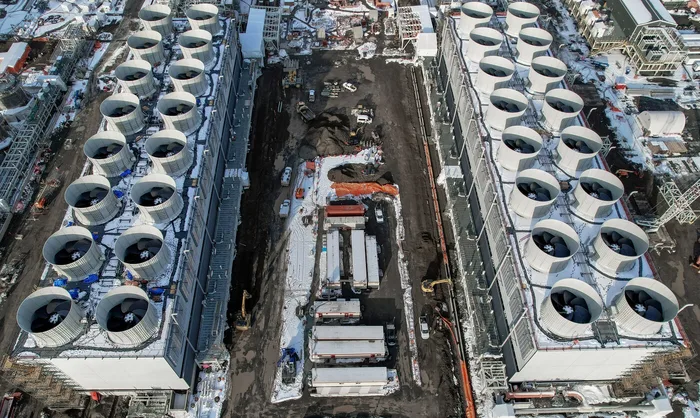
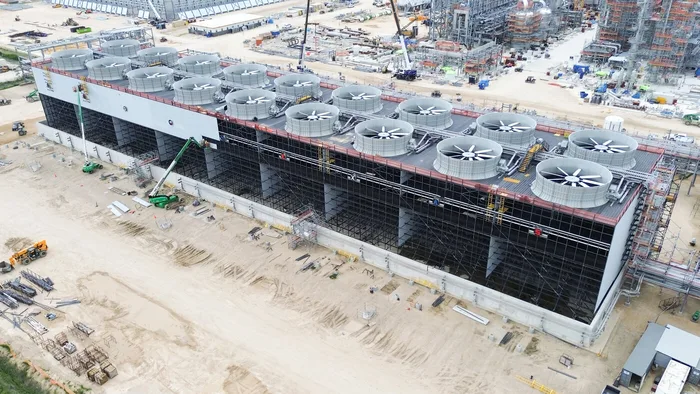
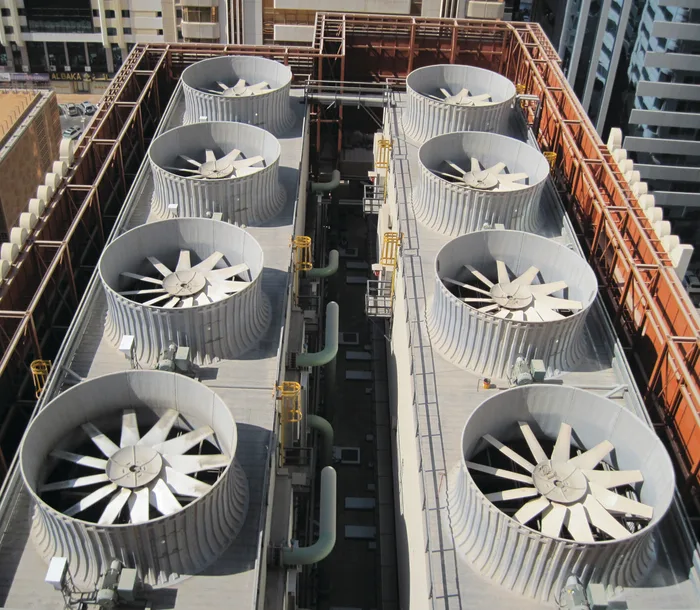
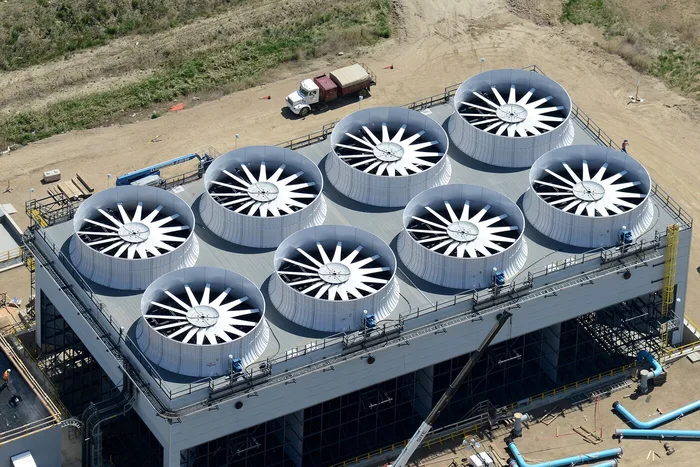
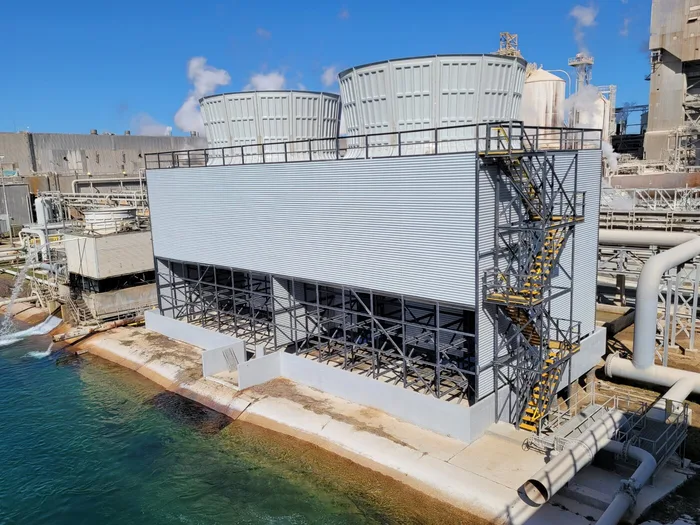
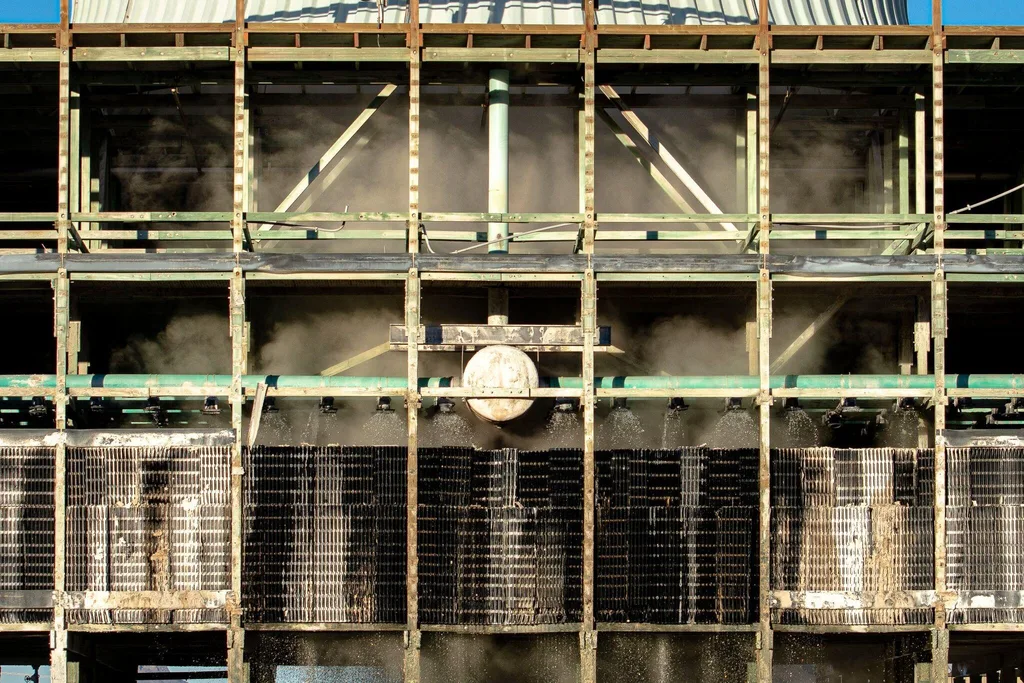
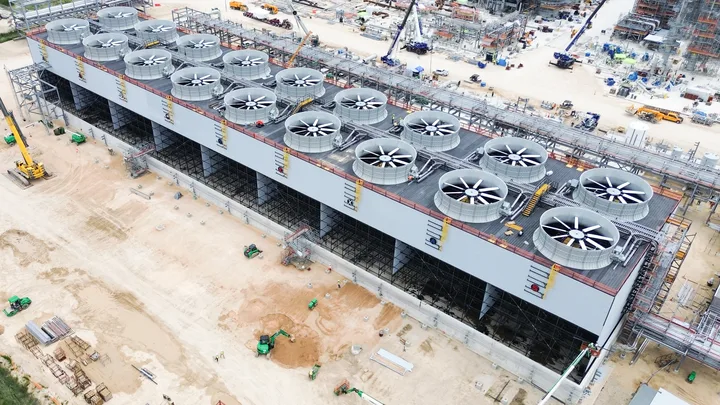
In a counterflow cooling tower, hot water flows downward through fill media while ambient air is drawn upward in the opposite direction. A fan at the top creates negative pressure, pulling air in through louvers at the base and forcing it to travel counter to the falling water. As air moves upward and water cascades down, heat transfers from the water to the air through evaporation and convection. The cooled water collects in a basin at the bottom and is recirculated, while the warm, moisture-laden air is exhausted out the top.
Choose Counterflow When
-
Tight or constrained footprints
-
Cold / freeze-prone climates
-
Low-drift or plume-sensitive sites
-
Maximum thermal performance is required
Trade-Offs to Weigh
-
Generally more complex water distribution
-
Higher risk of fouling film fill media
-
Less accessible fill and nozzles for maintenance
Counterflow Series We Build
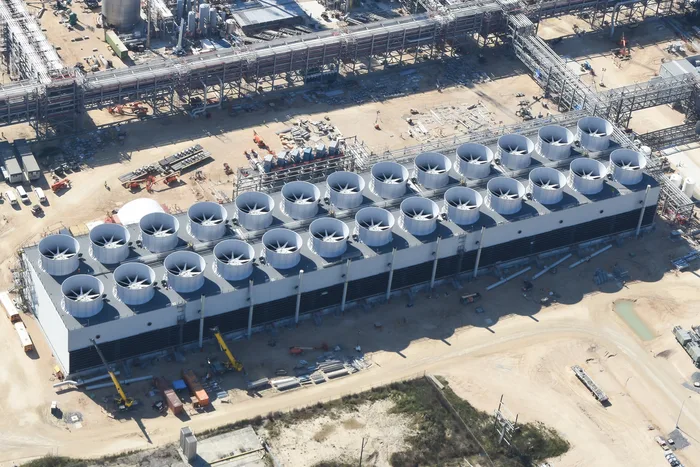
CFF-Series
Pultruded FRP structure with film fill — corrosion-proof, rot-free, and built for decades of industrial duty.
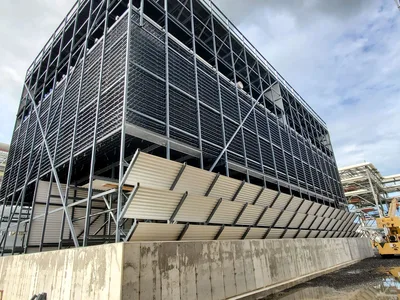
CSF-Series
A fiberglass structural framework with splash fill — built to conquer the harshest industrial processes.
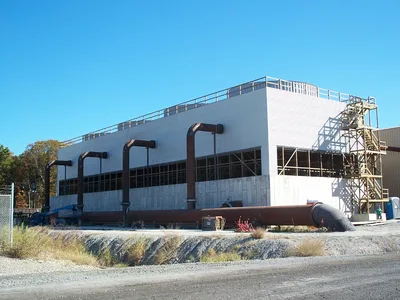
CFD-Series
Douglas-fir structure with high-efficiency film fill — heavy-duty industrial cooling built for demanding water conditions.
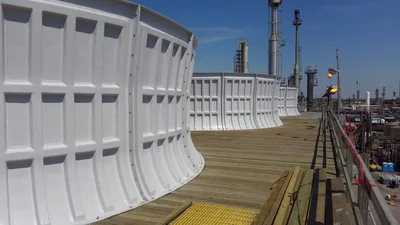
CSD-Series
Splash fill and a Douglas-fir structure — an industrial-grade, economically priced answer to poor water quality.
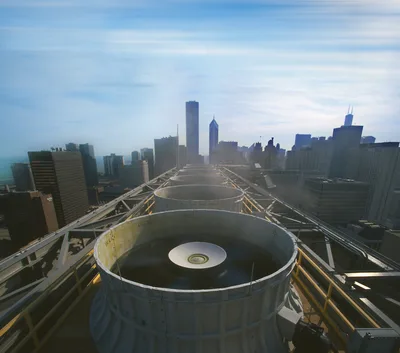
CFU-Series
Double-wall counterflow construction, available with film, splash, or ceramic tile fill.
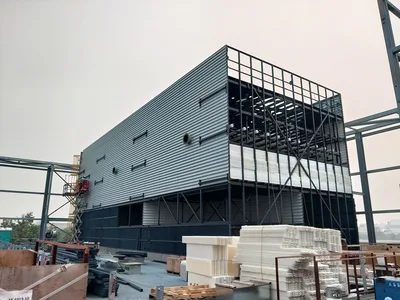
FM Approved CFM Series
FM 4930 Approved
Built to withstand fire/natural hazards, best-in-class thermal efficiency
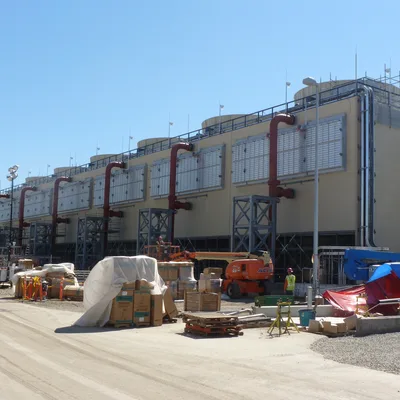
Plume Abated
Wet/Dry Hybrid Design - Fiberglass
Lower visible plume, maintain thermal performance
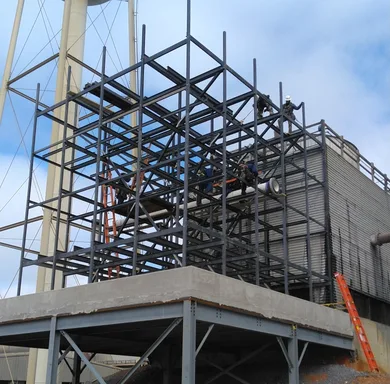
Add Cell
Fiberglass/Douglas Fir Structure – match or upgrade fill selection
Expanded capacity and improved cooling performance, regardless of original tower manufacturer
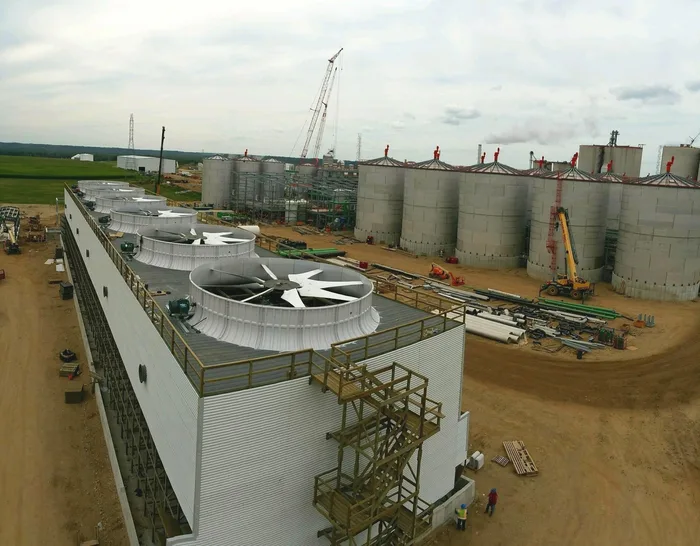
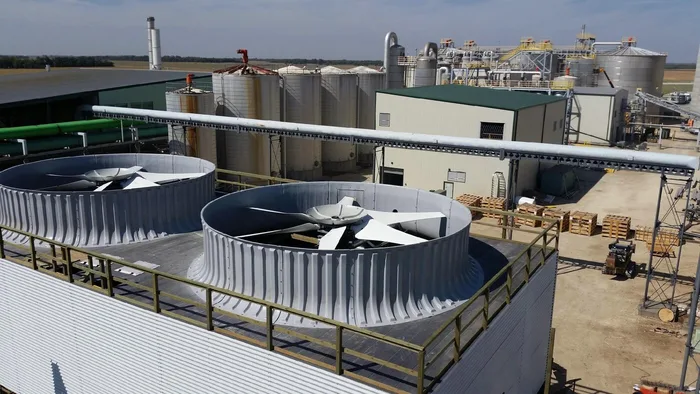
Ethanol Series
Designed with the ethanol refining process in mind, with structural and fill media combinations matched to your water quality and performance requirements.
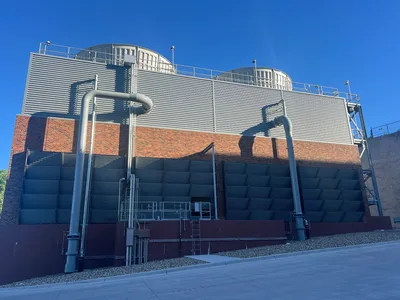
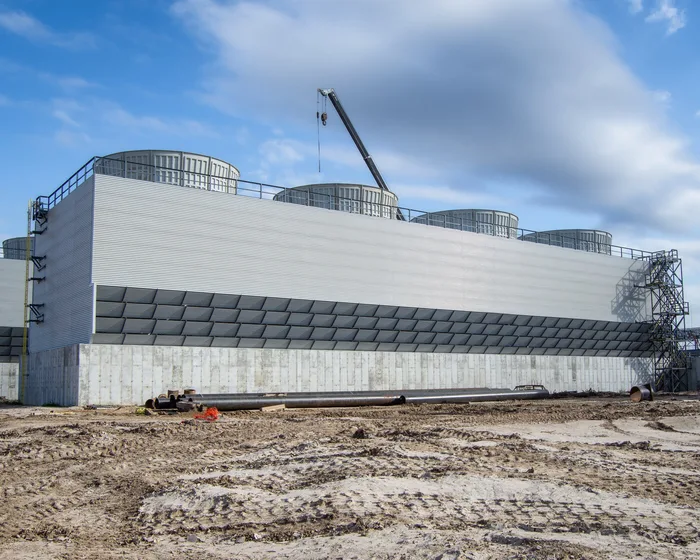
CFC-Series
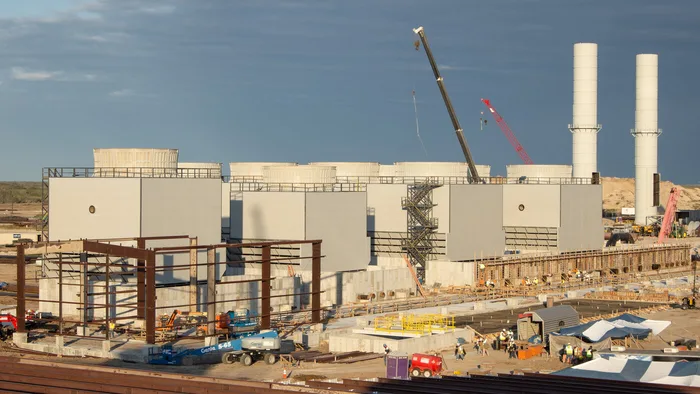
Industrial-strength concrete structure with film, splash, or ceramic tile fill to match your water quality.