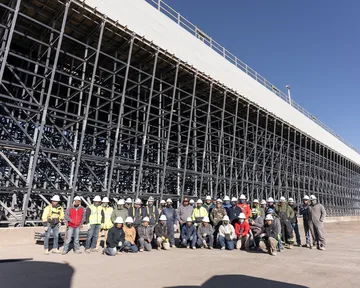

When Should You Replace, Rebuild, or Repair a Cooling Tower?
Cooling Tower Depot
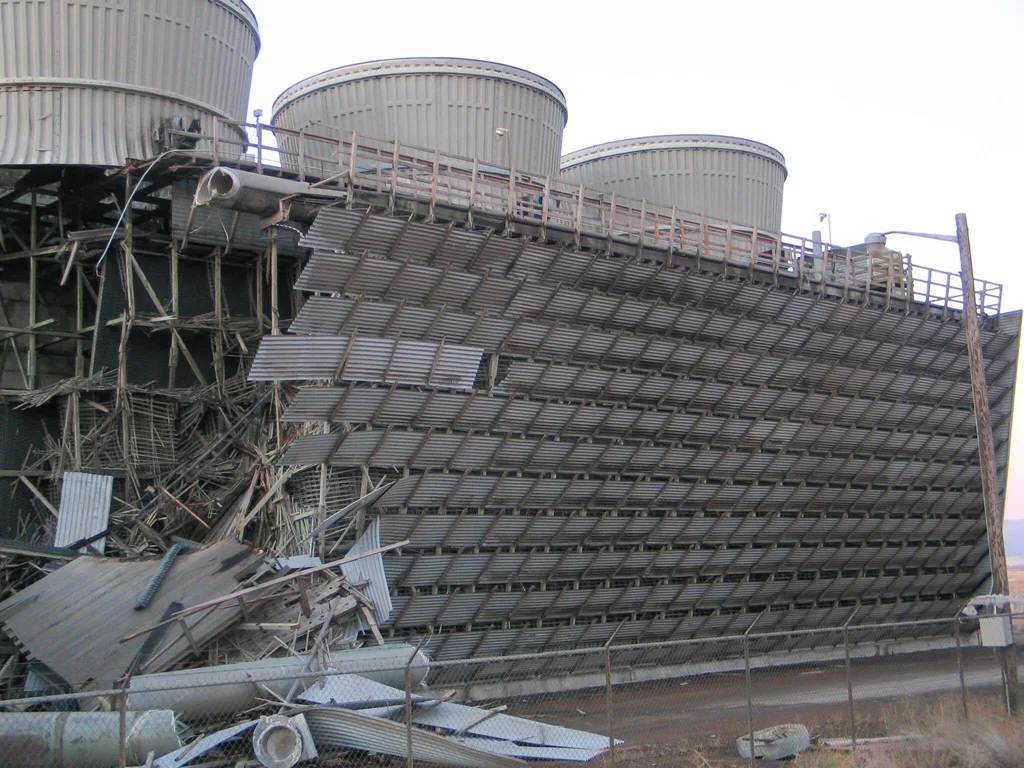
Over time, moisture, chemicals, temperature fluctuations, and continuous operation can cause structural deterioration, reduced thermal performance, and higher maintenance needs on industrial cooling towers.
When problems arise, plant managers face an important decision: should they repair the existing tower, invest in a major rebuild, or replace it entirely?
The right choice depends on the tower’s structural condition, thermal performance, maintenance history, remaining service life, and the cost of each option. While targeted repairs may address isolated issues, widespread deterioration or inadequate capacity may justify a more comprehensive solution.
Understanding the differences between repair, rebuild, and replacement can help you make an informed investment that improves reliability and supports long-term plant performance.
When to Repair a Cooling Tower
Repair is often the most practical option when damage is localized, the tower remains structurally sound, and its overall thermal performance meets operating requirements.
Routine maintenance and targeted component replacement can extend equipment life, prevent minor issues from becoming major failures, and reduce unplanned downtime.
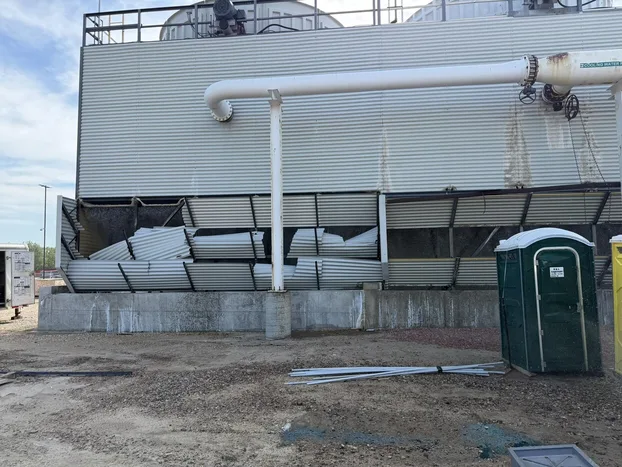
Common signs that a cooling tower may only need repairs include:
- Isolated structural damage: Limited deterioration in lumber, fiberglass, steel, or other structural components.
- Worn mechanical components: Damaged fan blades, failing motors, gearbox problems, or worn driveshafts.
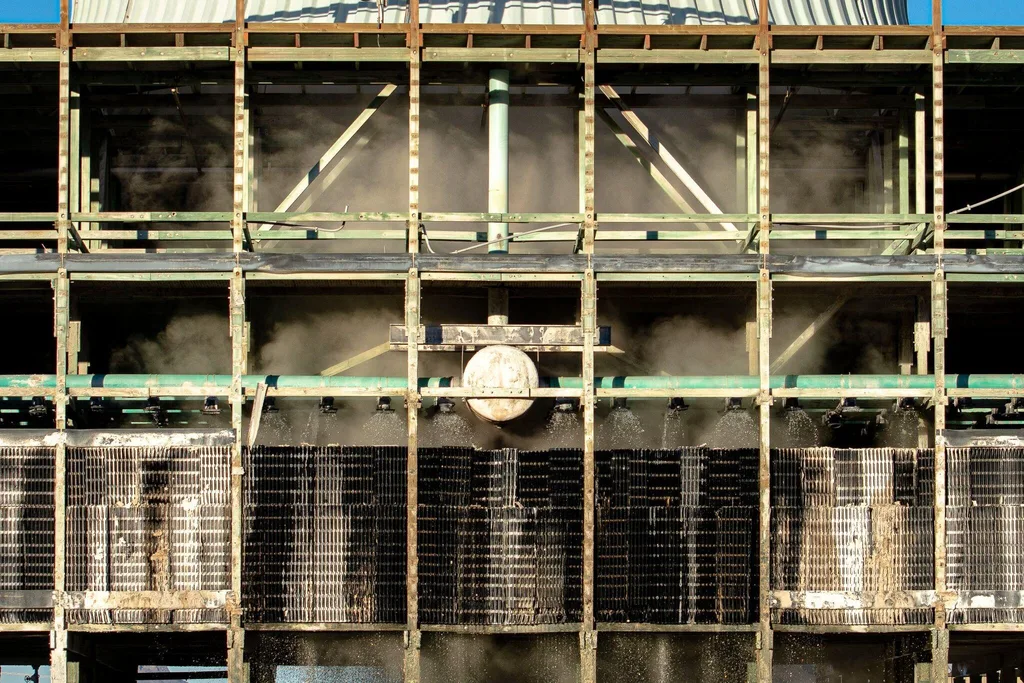
- Damaged fill or drift eliminators: Fouled, brittle, or biological growth present
- Leaks or distribution issues: Problems with header pipes, lateral lines, nozzles, or valves.
- Stable thermal performance: The tower continues to meet required cold-water temperatures and heat rejection demands.
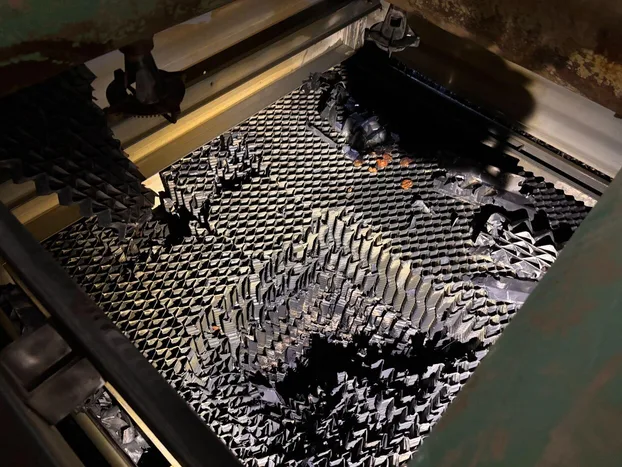
Repair is generally most cost-effective when the underlying structure and major systems remain in good condition. However, repeated repairs to the same components or problems affecting multiple areas of the tower may indicate that a larger investment is warranted.
Before committing to another repair, consider the tower’s complete condition and whether the proposed work will provide lasting improvements.
When to Rebuild an Existing Cooling Tower
A major rebuild can be the right solution when a cooling tower has significant deterioration or performance issues, but its existing footprint, configuration, and basin remain suitable for continued operation. Rebuilds can be completed during a single outage, or in phases over multiple plant turnarounds.
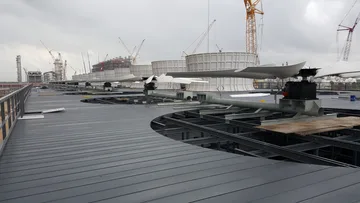
Unlike routine repairs, a rebuild addresses larger portions of the tower. The project may include structural reconstruction, mechanical equipment replacement, thermal upgrades, or conversion to more durable materials (FRP).
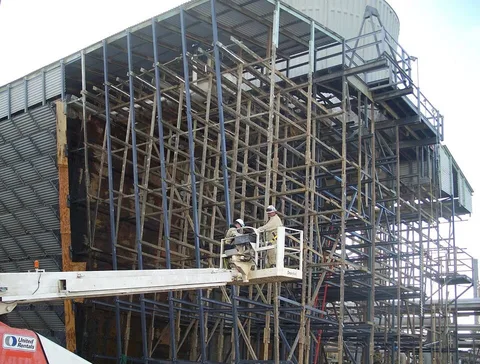
A cooling tower rebuild may be appropriate when:
- Structural deterioration is widespread: Aging wood, corroded steel, or deteriorated structural components require extensive replacement.
- Thermal performance has declined: Fouled fill, ineffective water distribution, damaged fans, or other issues prevent the tower from meeting its design duty.
- Maintenance costs are increasing: Frequent repairs and component failures are creating an ongoing burden on maintenance budgets.
- The existing tower needs greater capacity: Plant operations have changed, and thermal upgrades or modifications may allow the tower to handle increased heat loads.
- Materials need to be upgraded: Converting deteriorated wood components to fiberglass or pultruded FRP improves corrosion resistance and reduces future maintenance requirements.
A rebuild can preserve valuable existing infrastructure while addressing the problems that limit performance and reliability.
When to Replace a Cooling Tower
Complete replacement becomes more attractive when an existing tower has reached the end of its service life or can no longer meet the facility’s cooling requirements.
Although replacement typically requires a larger upfront investment, it can provide an opportunity to address longstanding performance limitations, improve reliability, and design around current and future operating demands.
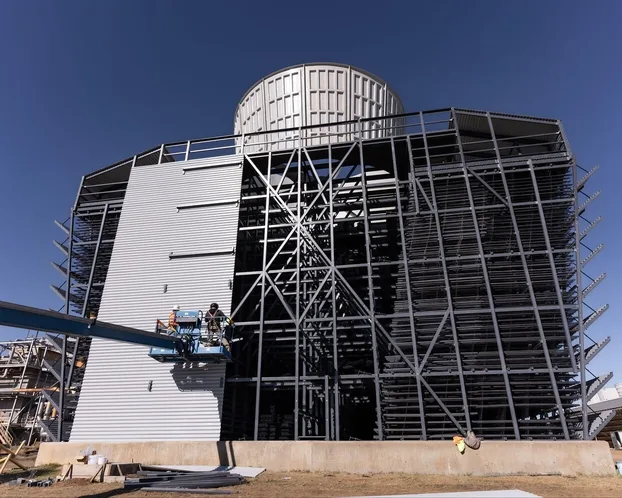
Consider replacing a cooling tower when:
- Repairs are becoming uneconomical: The cumulative cost of repairs, downtime, and recurring failures approaches the cost of a more comprehensive solution.
- The tower cannot meet required thermal performance: The existing design is unable to deliver the required cooling capacity under actual operating conditions, even after practical repairs or upgrades.
- Capacity requirements have changed significantly: Facility expansion or process changes require a different tower configuration or substantially greater heat rejection capacity.
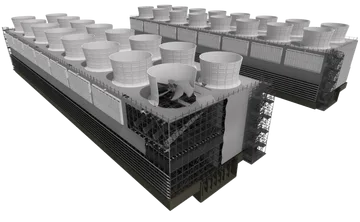
Replacement also creates an opportunity to evaluate tower configuration, structural materials, mechanical equipment, water distribution, and other design factors that influence long-term performance.
Before proceeding, assess the full project scope, including demolition, basin requirements, site access, installation, construction scheduling, and the impact on plant operations. In some cases, an engineered rebuild can achieve the desired results with less disruption. In others, replacement provides a more durable solution with a lower projected cost over the equipment’s remaining life.
Extend Cooling Tower Life With the Right Upgrades
In many cases, a cooling tower can deliver improved performance without requiring complete replacement. Targeted upgrades can address common causes of declining efficiency and help extend the useful life of existing equipment.
Depending on the tower’s condition, potential improvements include:
- Fill replacement: Restore effective heat transfer by replacing fouled, damaged, or deteriorated fill.
- Fan, gearbox, motor, and driveshaft upgrades: Address worn or inefficient mechanical components that affect airflow and dependable operation.
- Drift eliminator replacement: Restore effective drift control and improve system performance.
- Structural material upgrades: Replace deteriorated components and consider corrosion-resistant materials (FRP).
- Thermal performance improvements: Evaluate water distribution, airflow, and other design factors to address performance shortfalls.
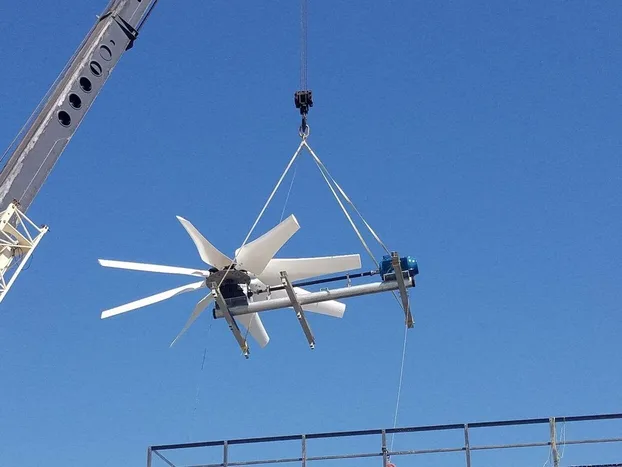
The appropriate upgrades depend on the tower’s design and operating conditions. A qualified cooling tower specialist can help determine which improvements are technically feasible and whether their expected benefits justify the investment.
Make the Right Decision for Your Facility
Deciding whether to repair, rebuild, or replace an industrial cooling tower requires more than evaluating the next maintenance expense.
Cooling Tower Depot helps industrial facilities evaluate cooling tower condition, restore thermal performance, and plan repairs, major rebuilds, and replacement projects. With experience across major cooling tower manufacturers and industrial applications, CTD can help you identify practical options for improving reliability and extending equipment life.
Whether you need replacement components, a thermal upgrade, a major reconstruction, or a new cooling tower, CTD can help you determine the right path forward.
Contact Cooling Tower Depot to discuss your cooling tower needs and explore the best solution for your facility.
Cooling Tower Insights, Direct to Your Inbox
Receive technical best practices, maintenance advisories, and product updates from the specialists at Cooling Tower Depot.